 1978
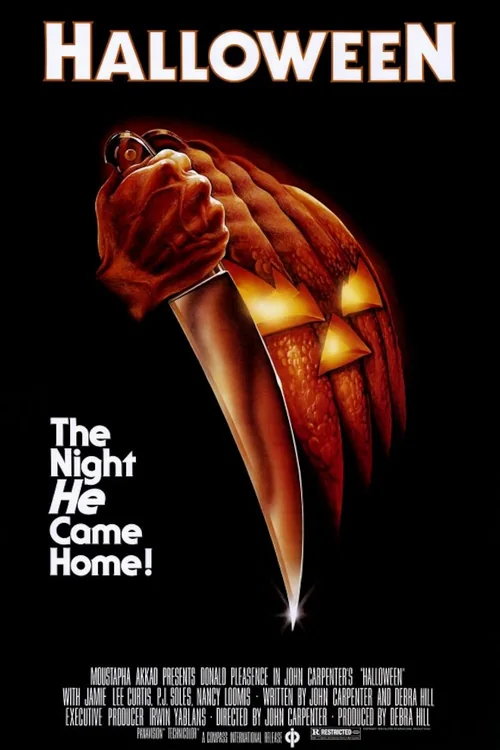
Halloween
John CarpenterFifteen years after killing his sister on Halloween night, Michael Myers escapes and walks back into Haddonfield. The film that invented the slasher.
Find on IMDb →Films set on Halloween night and the old recipes people cooked for it. From 23 October a new film and a new recipe unlock every day, all the way to Halloween.
Every theory about where Halloween comes from, from Celtic bonfires to American candy, and how much evidence each one really has.
In Gaelic Ireland and Scotland, Samhain (say "SOW-in") marked the end of the harvest and the start of winter, around 1 November. Medieval Irish tales describe it as the night when the mounds of the Otherworld opened and spirits could cross into our world, with great gatherings, feasts and fires. The festival itself is real, but almost everything we know about it was written down centuries later by Christian monks, so historians still argue about how much of Halloween it really passed on.
Gave us: bonfires, spirits of the dead, the dateA popular story says that when Rome conquered the Celts, it merged Samhain with Feralia, its day for the dead, and with a festival of Pomona, goddess of fruit, which is why we bob for apples. Historians are sceptical: Feralia was held in February, Rome never ruled Ireland, and there is no record of any Pomona festival on 1 November. The idea comes from writers of the 18th and 19th centuries, not from Roman sources.
Gave us: probably nothingIn the 8th century Pope Gregory III dedicated a chapel in St Peter's in Rome to all the saints on 1 November, and in the 9th century the feast of All Saints, or All Hallows, spread across the western Church. Around the year 998 Abbot Odilo of Cluny added All Souls' Day on 2 November, for praying for the dead. The evening before, All Hallows' Eve, became Halloween. Whether the Church chose 1 November to replace Samhain is still argued.
Gave us: the name, the date, remembering the deadIn medieval and later Britain, poor people and children went from door to door at Hallowmas, offering to pray for the household's dead in return for small spiced "soul cakes". Shakespeare mentions someone speaking "like a beggar at Hallowmas" in The Two Gentlemen of Verona. Begging for food on this night, in return for something, is the most likely ancestor of trick-or-treating.
Gave us: going door to door for treatsThe name first appears in 16th-century Scotland, as a short form of "All Hallows' Even", the evening before All Hallows. The apostrophe in Hallowe'en marks the missing letter "v". Over time the Scots name spread to the rest of the English-speaking world and lost its apostrophe.
Gave us: the name we use todayRobert Burns's poem "Halloween" (1785) is one of the best early descriptions of the night in Scotland. Young people pull kale stalks in the dark to learn about a future husband or wife, burn nuts in the fire to see whether a couple will stay together, and try other spells to see their sweetheart. Bobbing for apples and other love games come from this tradition of Halloween fortune-telling.
Gave us: apple bobbing and party gamesYoung people in Scotland and Ireland dressed up in disguise, went "guising" from house to house and performed a song, a poem or a joke in return for fruit, nuts or coins. A Scottish account from 1895 describes guisers carrying lanterns made from hollowed-out turnips. This is where Halloween costumes come from: dressing up was part of the performance, not just for fun.
Gave us: costumesAn Irish tale tells of Stingy Jack, who tricked the Devil so many times that when he died, neither heaven nor hell would take him. He was left to wander the dark with a burning coal inside a carved turnip. In Ireland and Scotland people carved scary faces into turnips and swedes to scare spirits away. The name "jack-o'-lantern" itself is older: in 17th-century England it meant a night watchman, or the strange lights seen over marshes.
Gave us: the carved lanternIrish and Scottish immigrants, especially the million or more who fled Ireland's Great Famine in the 1840s, brought Halloween to North America. There, the native pumpkin was bigger and easier to carve than a turnip. By the early 1900s Halloween pranks had turned into vandalism, so towns organised parties and door-to-door treats to calm things down. The words "trick or treat" first appear in print in 1927, in Alberta, Canada. After the Second World War, candy companies, comics and television turned it into the children's holiday we know.
Gave us: pumpkins, candy, "trick or treat"For a long time Halloween was mostly a quiet night in Britain and Ireland and almost unknown in the rest of Europe. American films like John Carpenter's Halloween (1978) and E.T. (1982), TV series and shops brought the costumes, the pumpkins and trick-or-treating back across the Atlantic. Since the 1990s it has spread to countries with no Halloween tradition at all, including Latvia and Russia, where it is now popular and still sometimes argued about.
Gave us: Halloween as a worldwide partyFrom all of them at once. The date and the name come from the Christian feast of All Hallows. The spirits, the fires and the feeling that the dead come close probably go back to the Celtic Samhain. Costumes and going door to door grew out of souling and guising in Britain and Ireland, and the pumpkin, the candy and the words "trick or treat" were added in North America. The only story historians would ask you to drop is the Roman one.
Eight horror films where the story actually happens on Halloween night. One unlocks each day from 23 to 30 October.
1978
Fifteen years after killing his sister on Halloween night, Michael Myers escapes and walks back into Haddonfield. The film that invented the slasher.
Find on IMDb →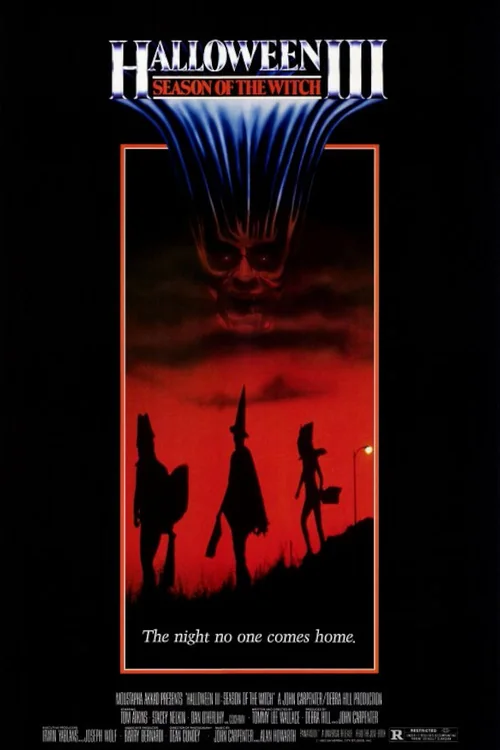 1982
No Michael Myers this time: a company's best-selling Halloween masks hide a plan meant for Halloween night itself.
Find on IMDb →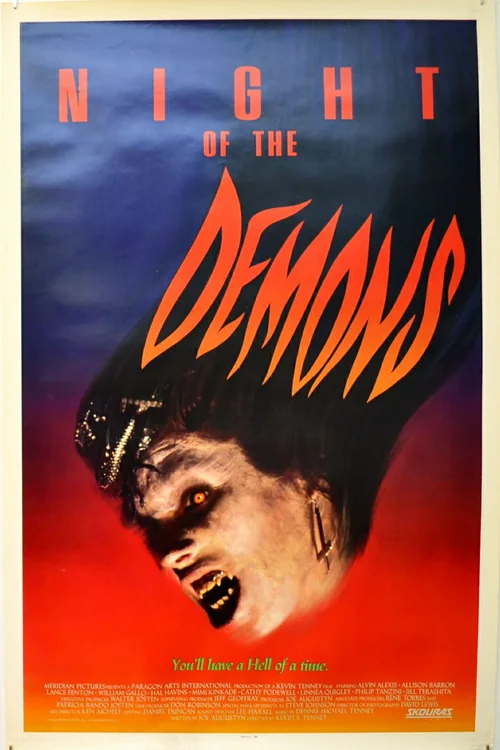 1988
A group of teenagers throw a Halloween party in an abandoned funeral parlour. Something in the building joins in.
Find on IMDb →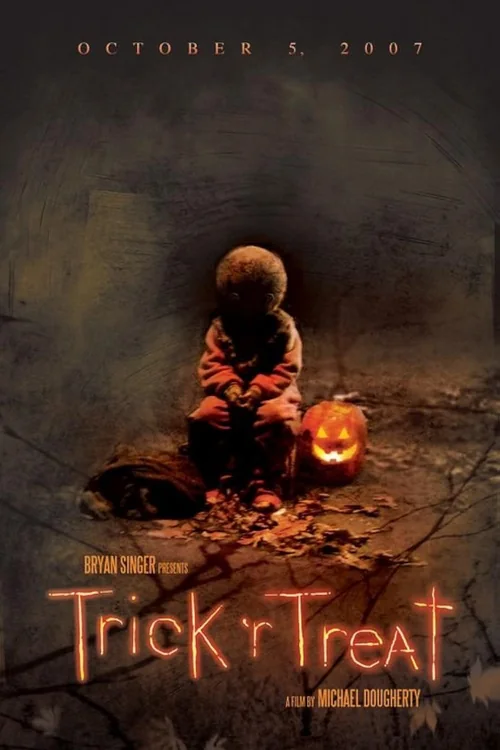 2007
Four stories woven through one Halloween night, watched over by little Sam, who punishes anyone who breaks the old rules.
Find on IMDb →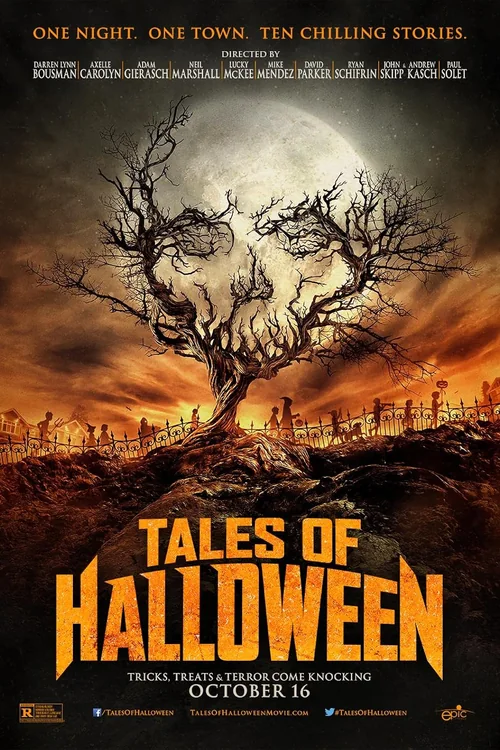 2015
Ten short horror stories set in one suburban town on the same Halloween night. Funny, gory and quick.
Find on IMDb → 2016
On Halloween night, Art the Clown fixes his attention on two young women and the people around them.
Find on IMDb → 2018
Friends visit a travelling horror theme park on Halloween. One of the masked killers is not part of the show.
Find on IMDb →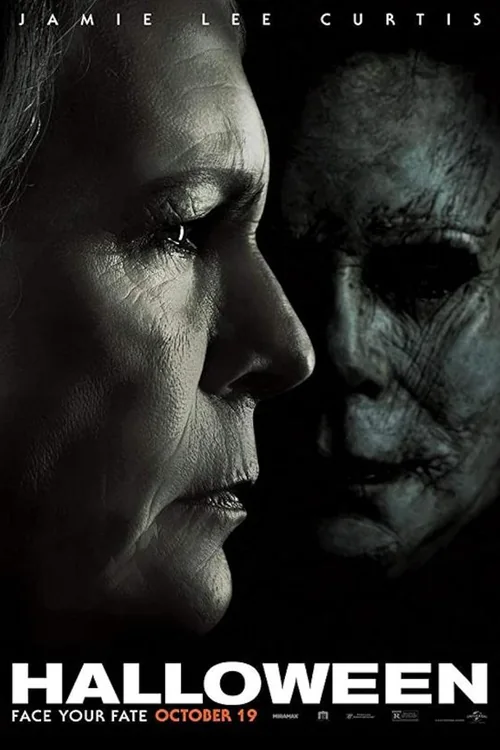 2018
Forty years later, a direct sequel to the 1978 film: Laurie Strode has spent her life preparing for Michael's return.
Find on IMDb →Reviewed on Latlight and right for a Halloween night in.
Traditional dishes for Halloween and the Day of the Dead, with the stories behind them. A new one unlocks each day from 23 to 30 October.
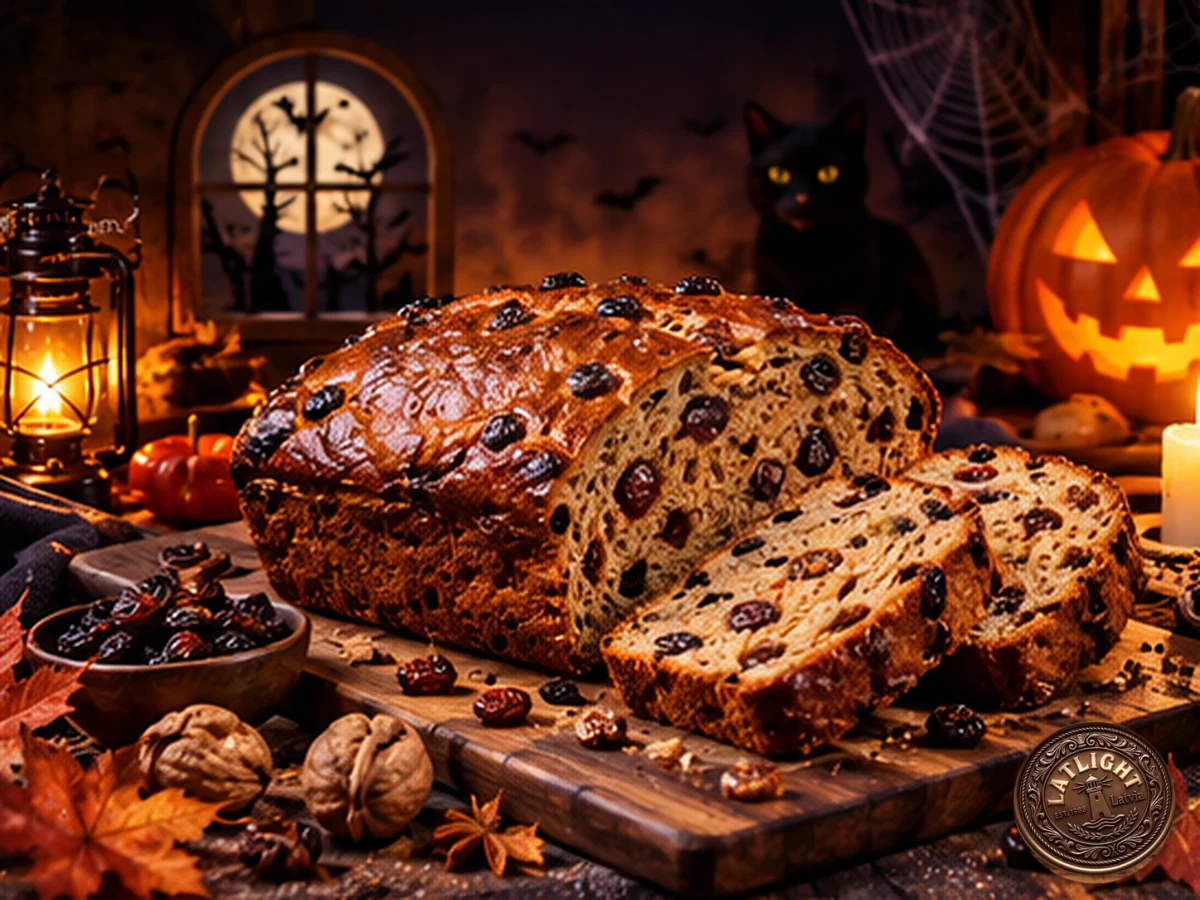
A tea-soaked fruit loaf with a ring baked inside. Find it in your slice and you'll marry within the year.
Open recipe ↓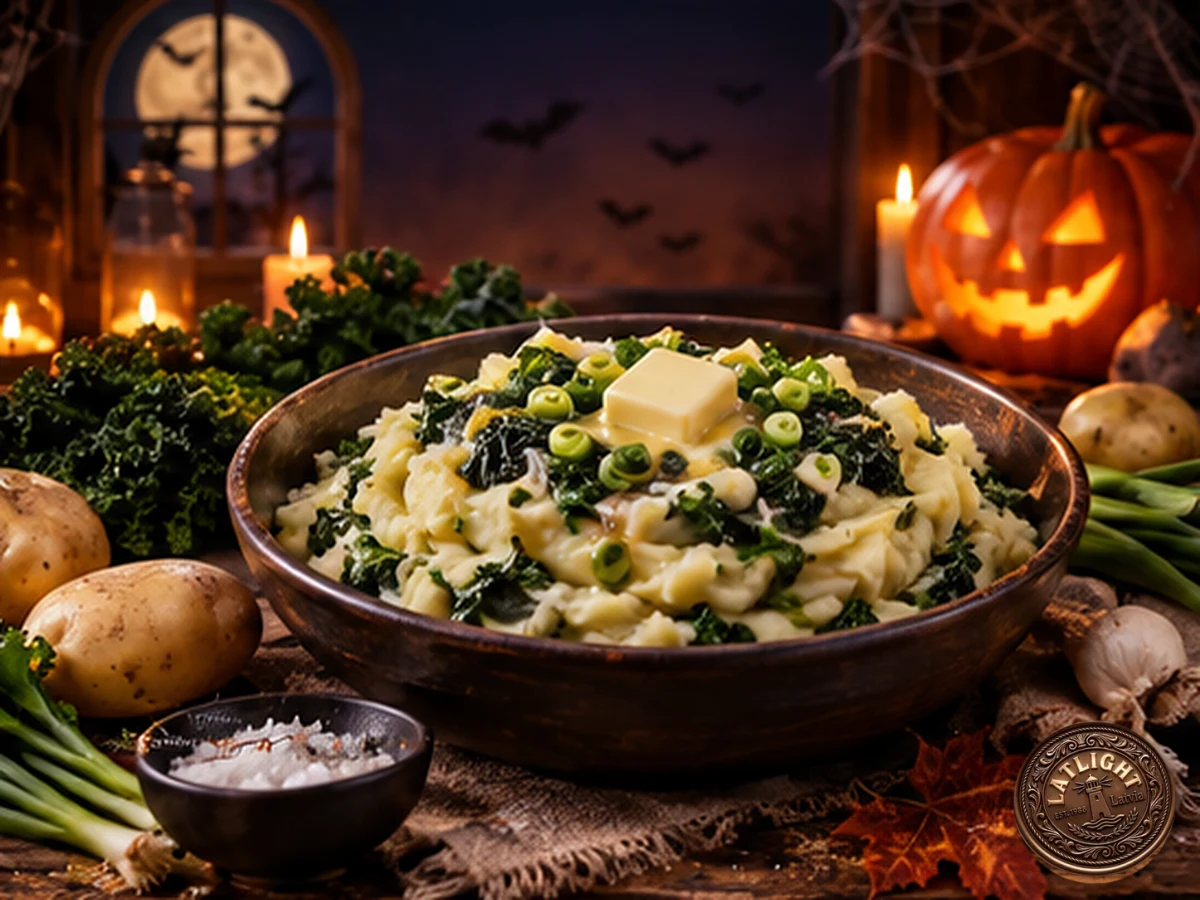
Buttery mashed potato with kale and spring onion, with a lucky coin hidden in the bowl.
Open recipe ↓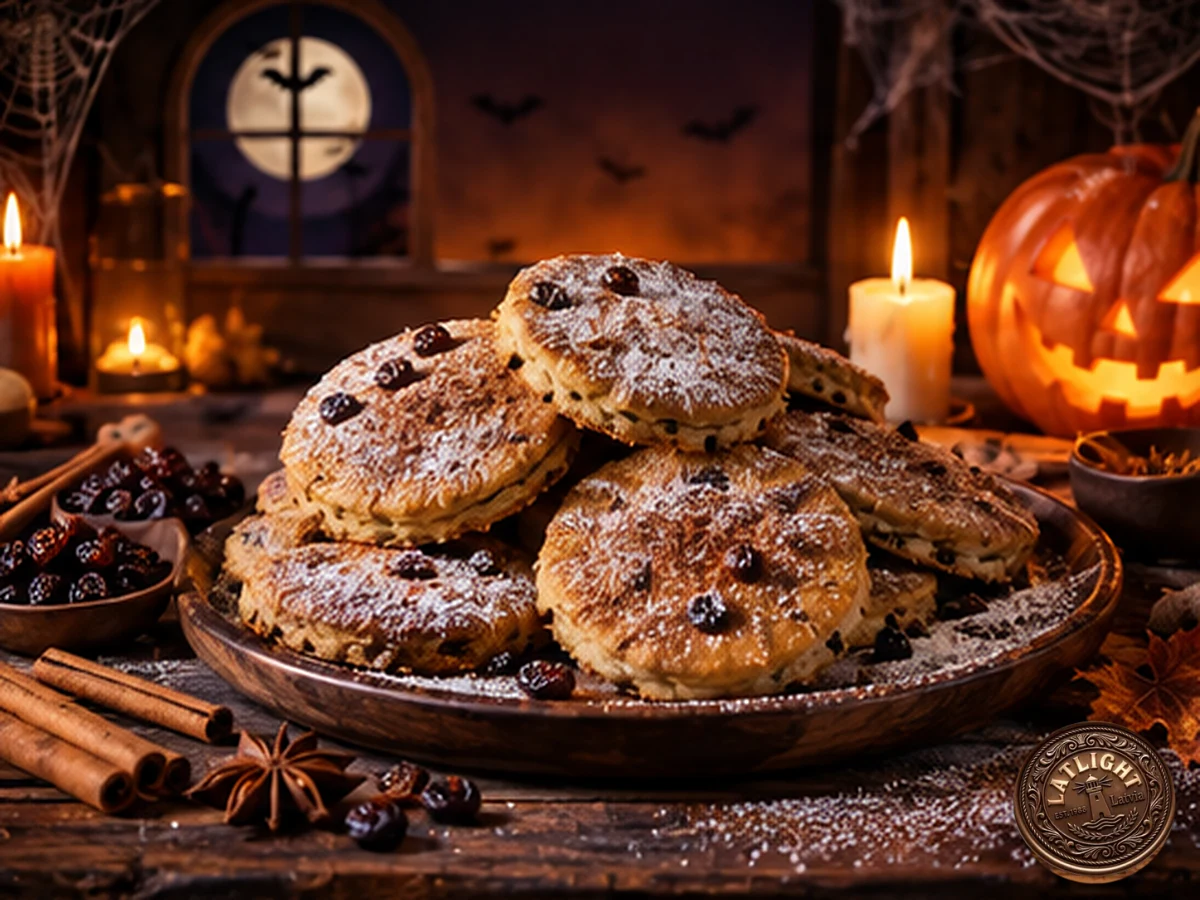
Spiced cakes once given to door-to-door “soulers”, the ancestors of trick-or-treaters.
Open recipe ↓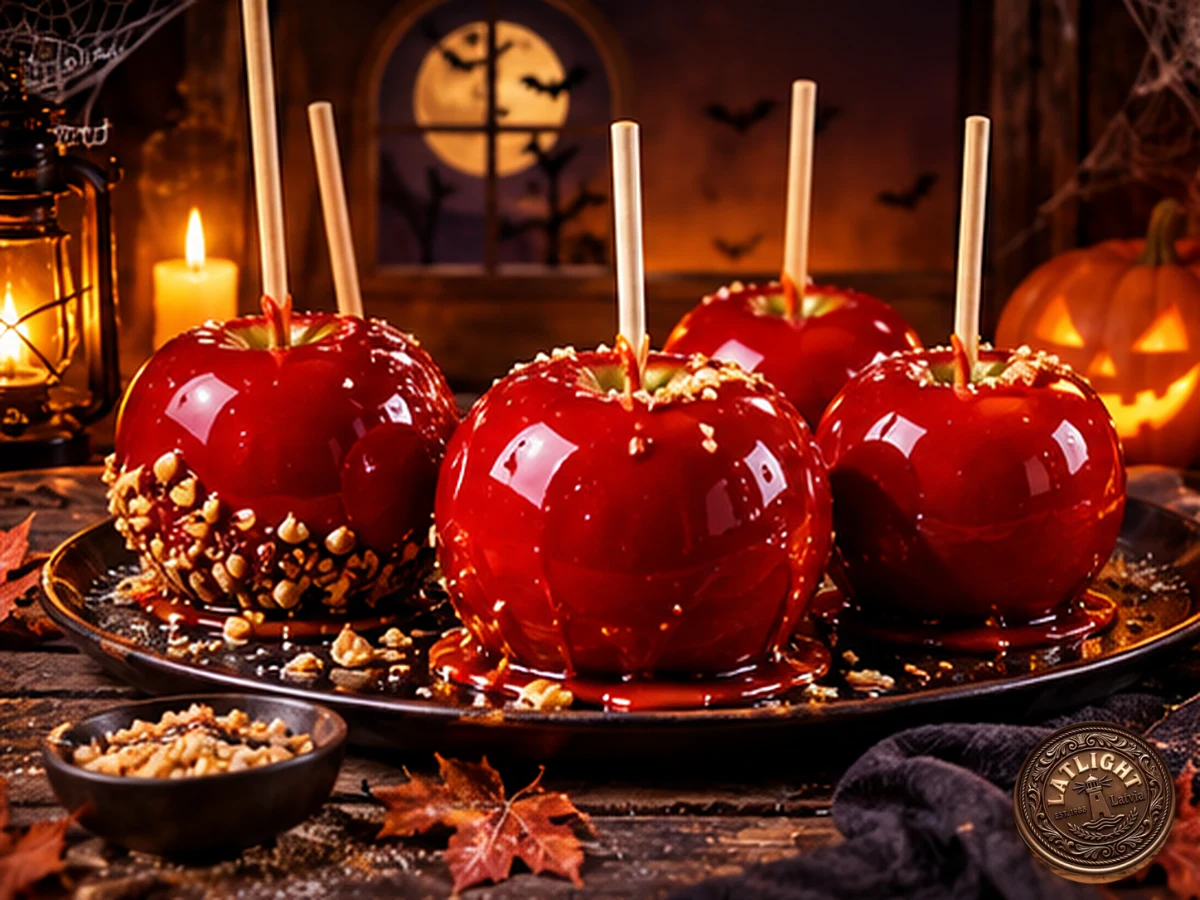
Glossy blood-red apples on sticks, made for Snap-Apple Night.
Open recipe ↓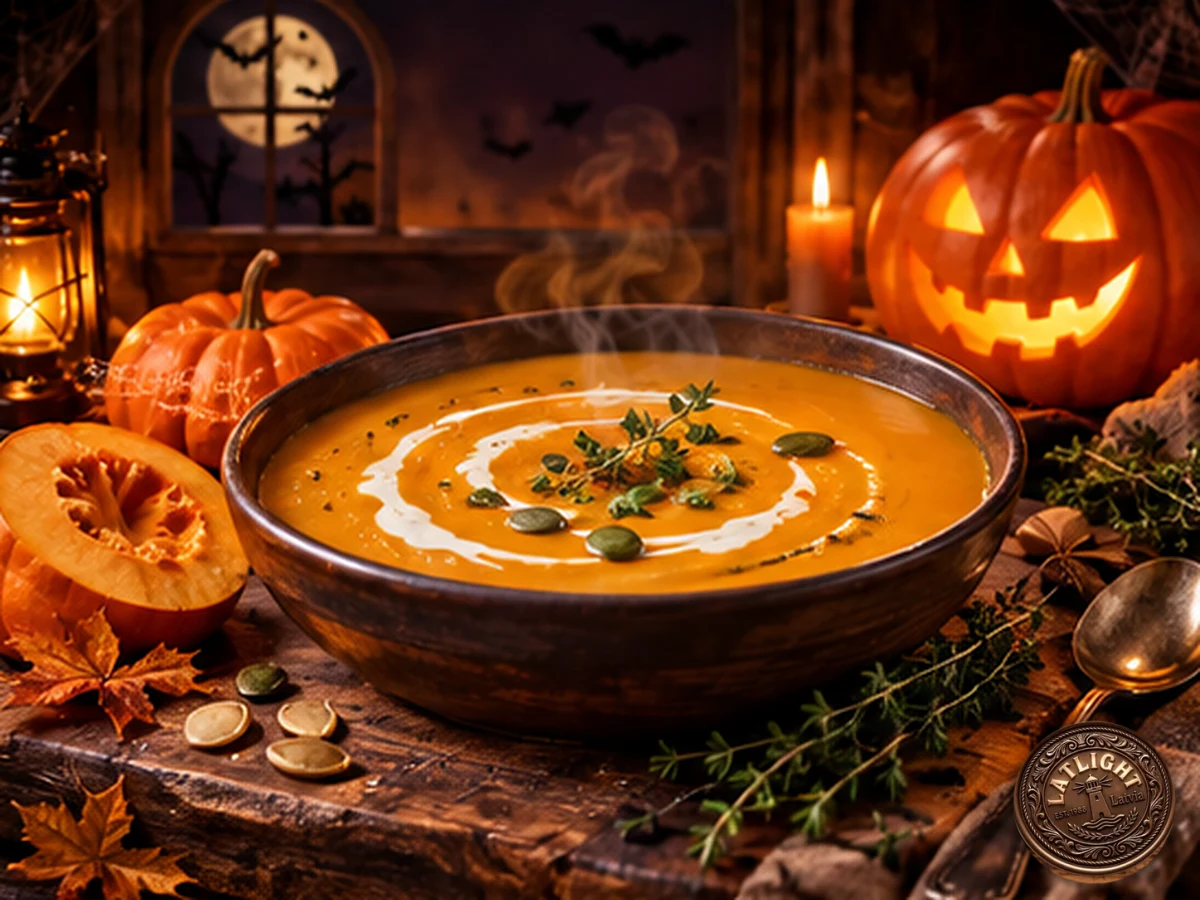
Carve the jack-o'-lantern, then turn its insides into soup and roast the seeds for the top.
Open recipe ↓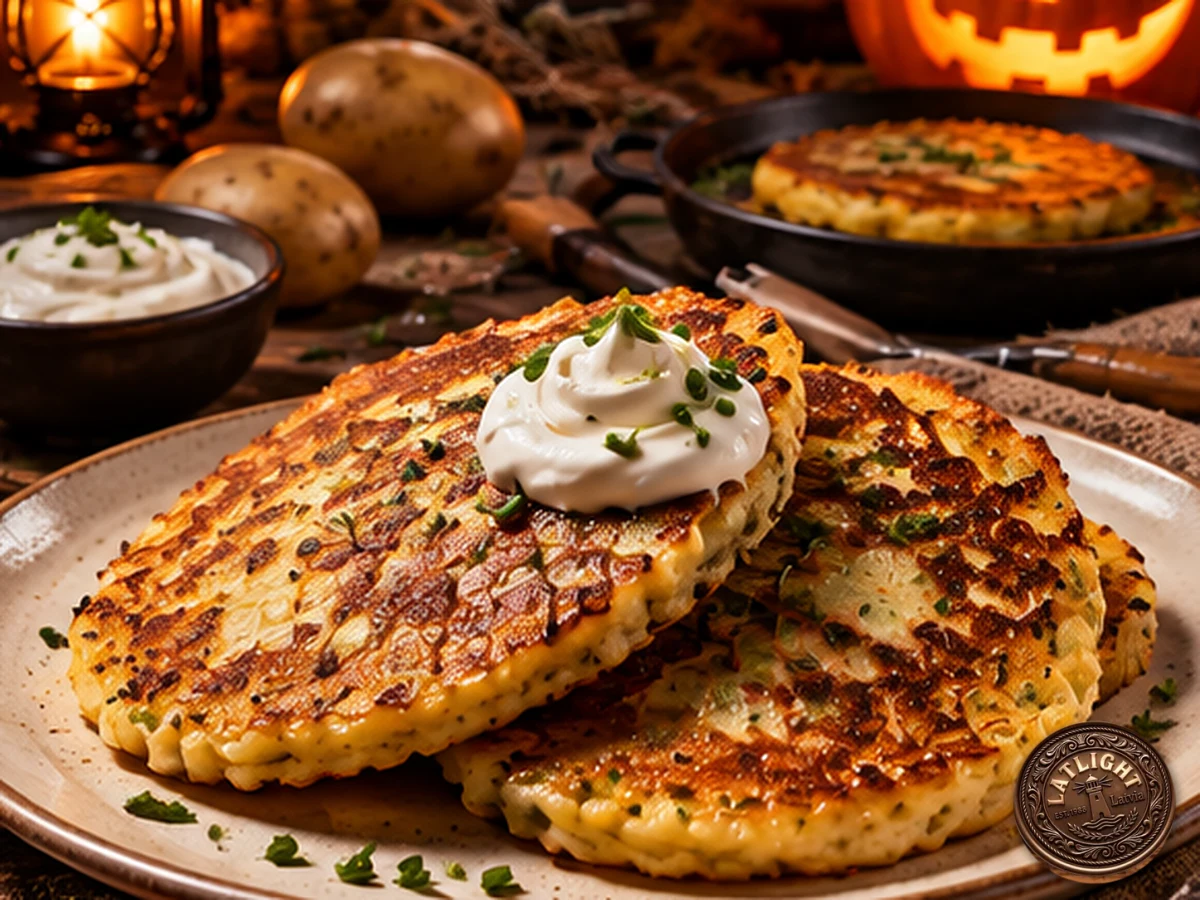
Crisp potato pancakes from the north-west of Ireland, fried on the griddle for the Halloween supper.
Open recipe ↓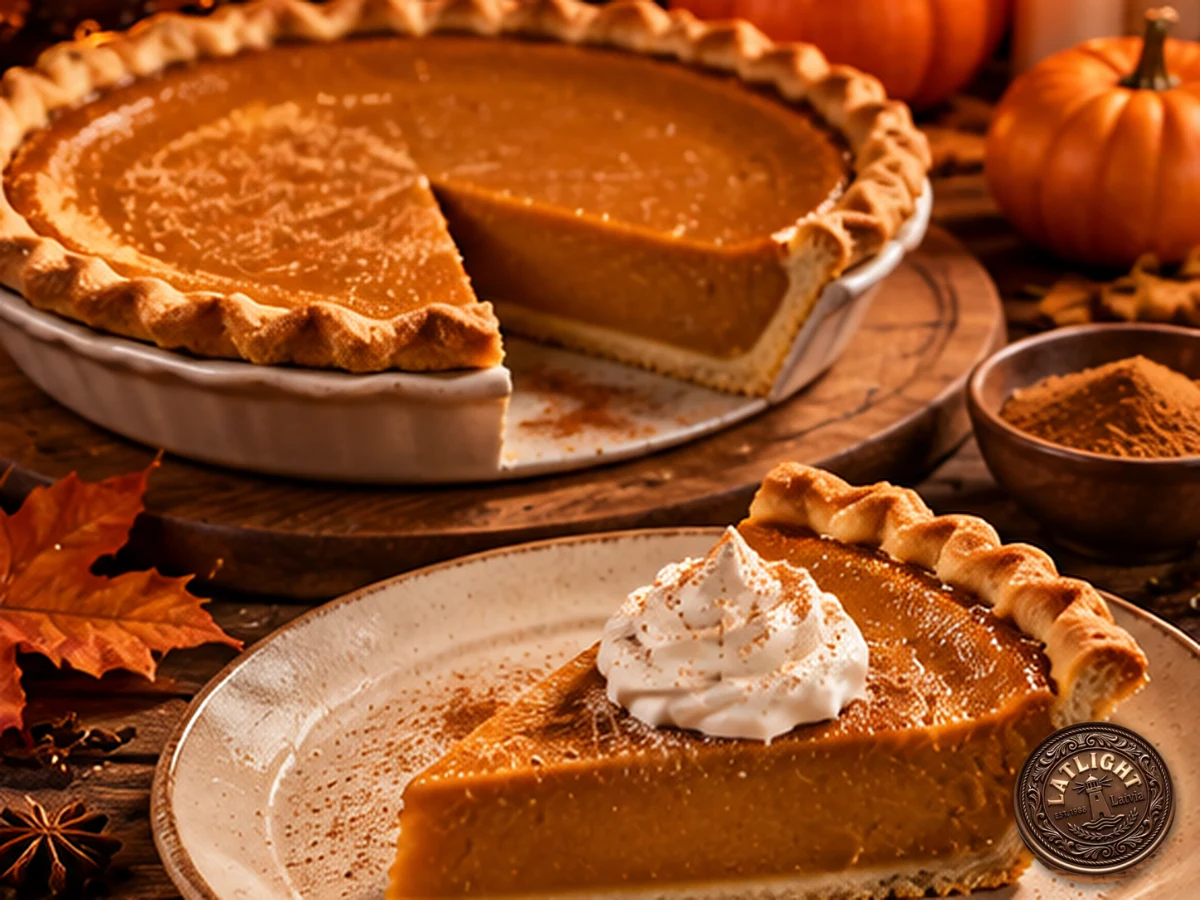
Spiced pumpkin custard in a crisp crust, the taste of an American autumn since 1796.
Open recipe ↓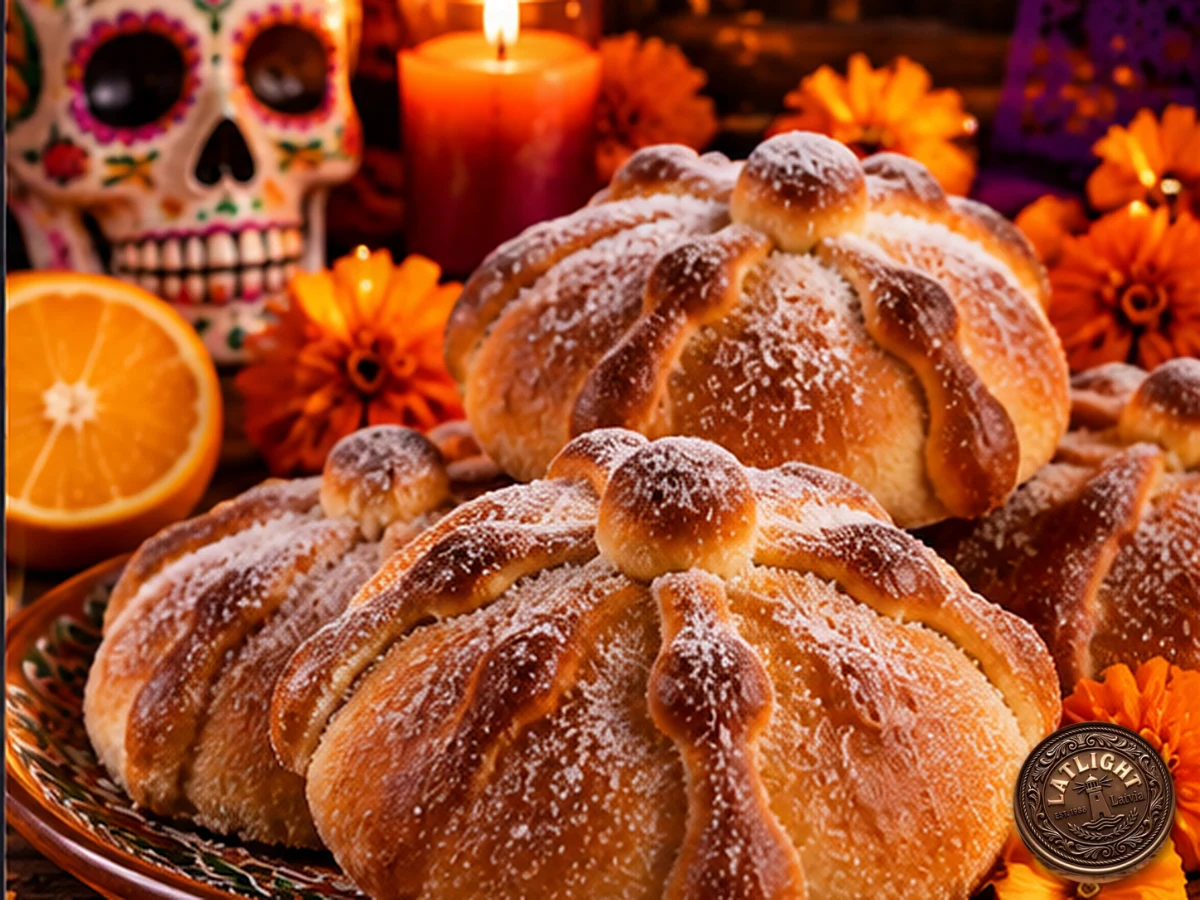
Sweet orange-scented bread with dough bones on top, baked in Mexico for the Day of the Dead.
Open recipe ↓
1. Soak the fruit: The night before, pour the hot tea over the raisins, sultanas and mixed peel in a bowl. Cover and leave overnight so the fruit plumps up.
2. Mix the batter: Heat the oven to 170 °C and line a 900 g loaf tin. Beat the egg with the sugar, then stir in the soaked fruit with all its tea, the flour, baking powder and mixed spice.
3. Hide the fortunes: Wrap a clean ring (and, if you like, a coin) tightly in baking paper and push it into the batter in the tin. Tell everyone before they eat.
4. Bake: Bake for about 1 hour 15 minutes, until a skewer comes out clean. Cover with foil if the top darkens too fast.
5. Glaze and rest: Brush the hot loaf with honey, leave it in the tin for 10 minutes, then cool on a rack. It slices best the next day.
6. Serve: Serve thick slices spread with salted butter, with a cup of tea. Whoever finds the ring will marry within the year.
Barmbrack, from the Irish bairín breac, “speckled loaf”, is a fruit bread eaten all year in Ireland, but at Halloween it hides your future. Small objects are baked inside, and each one tells a fortune: a ring for marriage within the year, a coin for wealth, a pea for no marriage that year, a stick for quarrels and a scrap of cloth for bad luck with money.
Bakeries in Ireland still sell Halloween barmbracks with a ring inside. This is the quick “tea brack”: instead of a yeast dough, the fruit soaks overnight in strong tea, which makes the loaf dark, moist and easy to bake at home.
1. Boil the potatoes: Peel and quarter the potatoes, cover with cold salted water and boil for 20 minutes, until completely soft. Drain and let them steam dry for 2 minutes.
2. Cook the greens: Meanwhile, strip the kale from its stalks and shred it. Melt half the butter in a wide pan and cook the kale for 5 minutes until wilted and bright green.
3. Warm the milk: Warm the milk with the sliced spring onions for 3 minutes, so the onions soften and flavour the milk.
4. Mash: Mash the potatoes until smooth, then beat in the hot milk and spring onions, the kale and a good pinch of salt and pepper.
5. Make the butter well: Pile the colcannon into a warm dish, make a hollow in the middle and drop in the rest of the butter to melt into a golden pool.
6. Serve: Serve at once. In the old Halloween tradition, a clean coin wrapped in paper is hidden in the bowl for one lucky eater.
Colcannon, mashed potato with kale or cabbage, was a traditional Halloween supper in Ireland. As with barmbrack, small charms were hidden in it, usually a coin or a ring wrapped in paper, and finding one promised luck or a wedding.
There was even an old custom for unmarried girls: put the first and last spoonfuls into a sock and hang it on the front door handle. The first man to walk through the door would be your future husband. The old song “The Skillet Pot” remembers it: “Did you ever eat colcannon, made from lovely pickled cream?” The butter well in the middle is not optional.
1. Cream the butter: Heat the oven to 180 °C and line two baking trays. Beat the soft butter with the sugar until pale, then beat in the egg yolks one at a time.
2. Add the spices: Sift in the flour with the cinnamon, nutmeg and allspice, add the currants and mix to a dough. Add the milk a little at a time, only as much as it needs to hold together.
3. Roll and cut: Roll the dough out 1 cm thick on a floured surface and cut out rounds with a 7 cm cutter. Gather and re-roll the scraps.
4. Mark the cross: Lay the cakes on the trays and press a cross into the top of each with the back of a knife, as the old soul cakes were marked.
5. Bake: Bake for 15–18 minutes, until just golden at the edges. Leave on the trays for 5 minutes, then cool on a rack.
6. Share them: Keep a plate by the door on Halloween night: soul cakes were made to be given away.
Long before trick-or-treating, there was “souling”. Around All Hallows’ Eve and All Souls’ Day in England, poor people and children went from door to door singing and offering prayers for the dead, and were given soul cakes in return. Each cake eaten was said to free a soul from purgatory.
The cakes were small, round and spiced, sometimes with currants or saffron, and marked with a cross. The souling song survived in Cheshire and Shropshire into the 20th century: “A soul, a soul, a soul cake, please, good missus, a soul cake…”
1. Prepare the apples: Put the apples in a bowl, pour over boiling water for 30 seconds to remove the waxy coating, then dry them very well. Pull out the stalks and push a wooden stick firmly into each.
2. Make the syrup: Put the sugar and water in a heavy pan over medium heat and stir only until the sugar dissolves. Add the vinegar, golden syrup and butter.
3. Boil to hard crack: Boil without stirring for about 10 minutes, until the syrup reaches 150 °C on a sugar thermometer (a drop in cold water snaps). Stir in the food colouring, if using.
4. Dip: Tilt the pan, dip each apple and twist it to coat completely, let the excess drip off, then stand it on baking paper. Work quickly and carefully: the syrup is extremely hot.
5. Set: Leave for 15 minutes until the toffee is hard and glassy. Eat the same day, before the toffee turns sticky.
In Ireland and Scotland, Halloween was once called Snap-Apple Night, after its apple games. In “snap-apple” an apple hung from a string or a spinning stick, and players tried to bite it with their hands behind their backs; in “bobbing” they fished apples out of a tub of water with their teeth. The Irish painter Daniel Maclise painted the whole noisy scene in Snap-Apple Night in 1833.
Toffee apples carry that tradition on. Glossy and blood-red, they are sold at Halloween and Bonfire Night fairs across Britain and Ireland, and in America the same idea became the candy apple.
1. Roast the seeds: Heat the oven to 180 °C. Rinse the seeds from your pumpkin, pat dry, toss with a little oil and salt and roast for 12–15 minutes until golden and crisp.
2. Soften the onion: Melt the butter in a large pot and cook the onion and garlic gently for 8 minutes, until soft but not brown.
3. Simmer the pumpkin: Add the diced pumpkin flesh, the nutmeg and the stock. Bring to the boil, then simmer for 20–25 minutes until the pumpkin is completely soft.
4. Blend: Blend until perfectly smooth, then stir in most of the cream. Season with salt and pepper and loosen with a little hot water if it is too thick.
5. Serve: Ladle into bowls, swirl in the rest of the cream and scatter the roasted seeds on top.
The first jack-o’-lanterns were not pumpkins. In Ireland and Scotland, people carved frightening faces into turnips and swedes at Halloween and lit them from inside, to scare off wandering spirits. The name comes from the Irish tale of Stingy Jack, a trickster refused by both heaven and hell, who wanders the earth with a coal glowing inside a carved turnip.
Irish and Scottish immigrants in America found pumpkins bigger and far easier to carve, and the pumpkin lantern was born. This soup is the delicious part of the tradition: carve the face, then cook the inside.
1. Grate the raw potatoes: Peel and finely grate the raw potatoes. Wrap them in a clean tea towel and squeeze out as much liquid as you can over a bowl. Leave the liquid to stand for 10 minutes, pour off the water and keep the white starch at the bottom.
2. Mix the potatoes: Put the grated potatoes, the saved starch and the cold mashed potatoes in a large bowl and mix well.
3. Make the batter: Stir in the flour, baking powder, salt and a good pinch of pepper, then add the buttermilk a little at a time until you have a thick batter that just drops from a spoon.
4. Fry: Melt a little butter in a heavy frying pan over medium heat. Drop in large spoonfuls of batter, flatten them to about 1 cm and fry for 4 minutes on each side, until deep golden and crisp.
5. Keep warm: Keep the cooked boxty warm in a low oven while you fry the rest, adding more butter to the pan as you go.
6. Serve: Serve hot with plenty of butter, or with bacon, fried eggs or sour cream.
Boxty, from the Irish bácstaí, “poor-house bread”, is a potato pancake from the north-west of Ireland, especially Leitrim, Cavan, Fermanagh and Mayo. What makes it special is the mix of raw grated potato and cooked mash, which gives a crisp outside and a soft, slightly chewy middle.
In those counties boxty was the food of All Hallows’ Eve, cooked on the griddle for the Halloween supper, and an old rhyme warned the girls of the house: “Boxty on the griddle, boxty in the pan, if you can’t make boxty, you’ll never get a man.”
1. Line the tin: Roll out the shortcrust pastry and line a 23 cm pie tin. Prick the base with a fork and chill for 20 minutes.
2. Bake blind: Heat the oven to 200 °C. Line the pastry with baking paper and baking beans and bake for 15 minutes, then remove the paper and beans and bake for 5 minutes more.
3. Mix the filling: Whisk the pumpkin purée with the sugar, eggs, cream, cinnamon, ginger, nutmeg, cloves and salt until smooth.
4. Bake the pie: Turn the oven down to 170 °C. Pour the filling into the pastry case and bake for 45–50 minutes, until set at the edges with a slight wobble in the middle.
5. Cool: Leave the pie to cool for at least 2 hours, so the filling sets and slices cleanly.
6. Serve: Serve in wedges with softly whipped cream and a little extra cinnamon on top.
Pumpkins came to Europe from the Americas, and early English cooks baked them in pies with apples and spices. The first American cookbook, Amelia Simmons’s American Cookery of 1796, already has a “pompkin” pudding of stewed pumpkin, cream, eggs, sugar, mace, nutmeg and ginger, baked in a crust: the pumpkin pie we know today.
By the 19th century pumpkin pie was the taste of autumn in New England, made from October harvest pumpkins for Halloween parties and Thanksgiving. You can find Amelia Simmons’s book among Latlight’s heritage recipe books.
1. Start the dough: Warm the milk until just lukewarm and stir in the yeast and a spoonful of the sugar. Leave for 10 minutes until foamy.
2. Knead: Mix the flour, the rest of the sugar, the salt, orange zest and anise seeds. Add the yeast milk, the eggs and the orange blossom water, then work in the soft butter a little at a time. Knead for 10 minutes, until smooth and elastic.
3. First rise: Cover the bowl and leave the dough in a warm place for 1–2 hours, until doubled in size.
4. Shape: Cut off a quarter of the dough for decorations. Shape the rest into 2 round loaves. Roll the small piece into thin ropes, press them with your fingers to make knobbly “bones”, lay them across the loaves and add a small ball on top for the skull.
5. Second rise: Cover loosely and leave for 45 minutes, until puffy. Heat the oven to 180 °C.
6. Bake: Bake for 30–35 minutes, until deep golden and hollow-sounding underneath.
7. Sugar coat: While the bread is still warm, brush it all over with melted butter and roll it in sugar.
Pan de muerto, “bread of the dead”, is baked in Mexico for Día de Muertos on 1 and 2 November, the days right after Halloween when families welcome the souls of their dead back home. The loaves are set on the ofrenda, the home altar, among marigolds, candles and photographs, and then shared by the living.
The dough strips on top are bones, laid in a cross, and the little ball in the middle is the skull; some say the round loaf itself is the circle of life. The scent of orange blossom is meant to remember the departed. Like the English soul cake, it is bread baked to be shared for the souls.